Earth
The Blue Planet - Our home in the cosmos
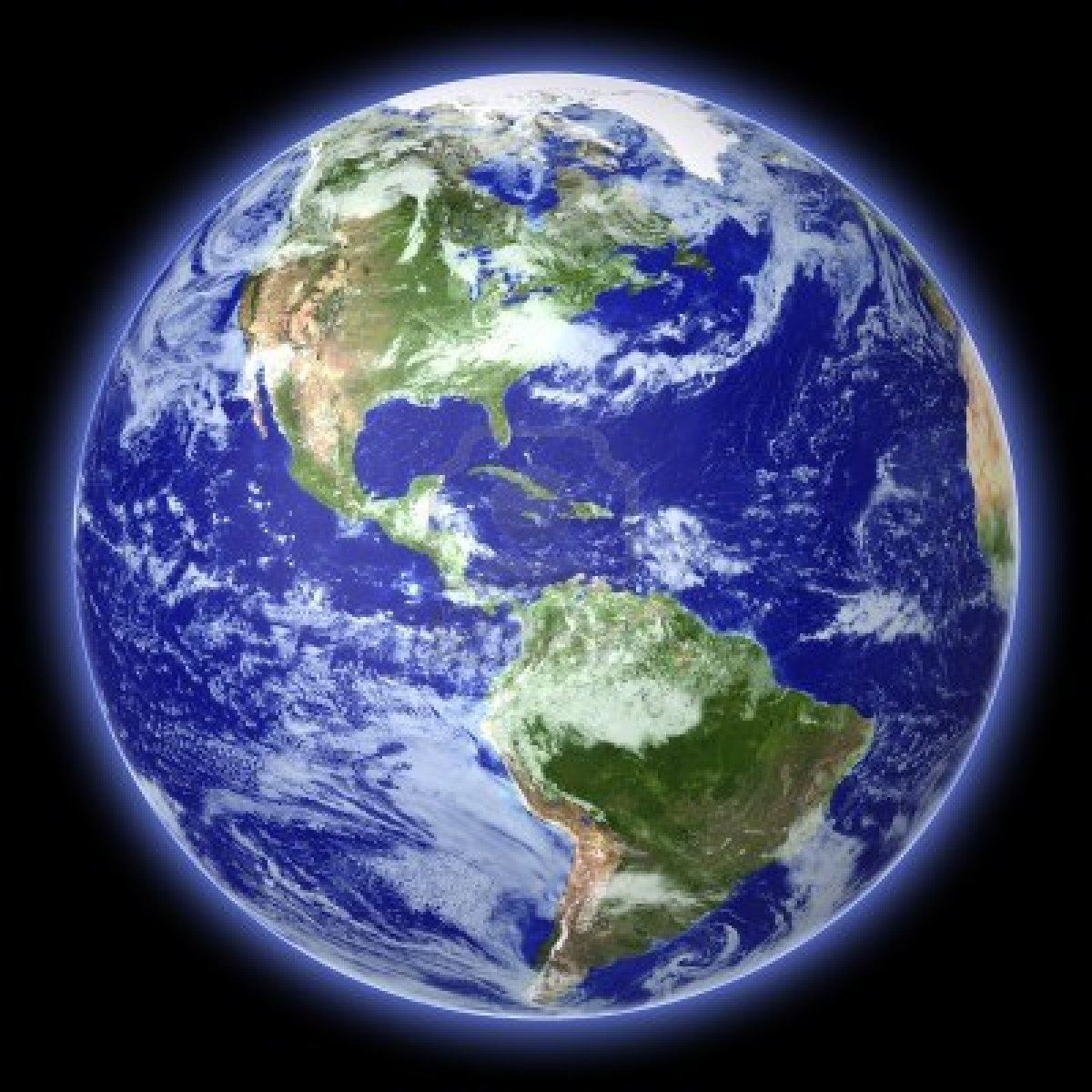
About Earth
Earth is the third planet from the Sun and the only astronomical object known to harbor life. About 29% of Earth's surface is land consisting of continents and islands, while the remaining 71% is covered by water.
Earth's atmosphere consists mostly of nitrogen and oxygen, which supports life. It has a magnetic field that protects life from harmful solar radiation. Earth is the densest planet in the Solar System and the largest of the four terrestrial planets.
Interesting Facts About Earth
Water World
Earth is the only planet in our solar system with liquid water on its surface. About 71% of Earth's surface is covered in water.
The Living Planet
Earth is the only place in the universe known to support life, with millions of species of plants, animals, and microorganisms.
Protective Atmosphere
Earth's atmosphere protects life by absorbing ultraviolet solar radiation and reducing temperature extremes between day and night.
Our Large Moon
Earth has an unusually large natural satellite (the Moon) relative to its own size. The Moon stabilizes Earth's axial tilt.
Earth Observation & Space Exploration
While we live on Earth, space exploration has given us new perspectives on our home planet:
Earth Observation Satellites
Thousands of satellites monitor Earth's weather, climate, land use, and environmental changes from space.
The Blue Marble
The iconic "Blue Marble" photograph taken by Apollo 17 astronauts in 1972 gave humanity its first complete view of Earth.
International Space Station
The ISS provides a unique platform for observing Earth and studying how living in space affects the human body.
How Earth Compares
Largest Terrestrial Planet
Earth is the largest of the four terrestrial planets (Mercury, Venus, Earth, Mars) in our Solar System.
Perfect Distance
Earth orbits in the Sun's habitable zone where temperatures allow liquid water to exist on the surface.
Fast Rotation
Earth rotates once every 24 hours, creating the day-night cycle that helps regulate temperatures across the planet.
Complex Structure
Earth has distinct layers: crust, mantle, outer core (liquid), and inner core (solid) that generate our magnetic field.